

Skin Booster vs Mesotherapy: Differences, Results, Cost in Dubai

Updated: May 17
By Dr. Taj Pour| Co-Founder, Mahan Polyclinic
Last Updated: May 15, 2026

Skin boosters and mesotherapy are both injectable skin-quality treatments, but they are not the same. Skin boosters are usually chosen for deeper hydration, elasticity, and smoother texture, while mesotherapy is often used for a customised glow and mild skin rejuvenation plan. The right choice depends on your skin concern, downtime tolerance, treatment area, and doctor assessment.
When it comes to non-surgical skin rejuvenation, one big question often pops up: Mesotherapy vs skin booster, which one is better? If you’re confused, don’t worry. You’re not alone. Both treatments promise glowing, hydrated, youthful skin, but they work differently and suit different skin concerns.
In this complete guide, we’ll break down everything you need to know about Mesotherapy vs skin booster, including benefits, ingredients, procedure steps, cost, safety, and expert recommendations. By the end, you’ll feel confident about choosing the right treatment for your skin goals.
Skin boosters are usually chosen for deeper hydration, elasticity, and texture support, while mesotherapy is often used for a customised cocktail approach to glow, dullness, and mild skin quality concerns. The right choice depends on your skin condition, treatment area, medical history, budget, and how quickly you want visible improvement.
Quick comparison: skin booster vs mesotherapy
Factor | Mesotherapy | Skin Booster |
|---|---|---|
Primary Goal | Targeted vitamins/nutrition | Deep hydration & elasticity |
Active Ingredients | Vitamins, minerals, amino acids | Stabilized Hyaluronic Acid |
Results | Glowing skin, even skin tone | Improved texture, plumpness |
Results timeline | Often subtle glow improvement over sessions | Gradual improvement over weeks |
Sessions Needed | 3 - 6 sessions, usually a course, then maintenance | 2 - 3 sessions, usually a course, then maintenance |
Typical areas | Face, neck, scalp in some protocols | Face, neck, under-eye area, hands |
Downtime | Mild redness, swelling, small marks possible | Mild redness, small bumps, bruising possible |
Treatment style | Microinjections with a customised blend | Usually hyaluronic acid based injectable hydration |
Best for / Choosing factor | Dullness, mild dehydration, customised glow support | Hydration, crepey texture, elasticity |
Skin Booster vs Mesotherapy: Key Differences at a Glance
Skin booster and mesotherapy are both popular injectable skin treatments, but they are used for slightly different goals. A skin booster is usually chosen when the skin needs deeper hydration, smoother texture, and better elasticity. Mesotherapy is often chosen when the skin looks dull, tired, or uneven and needs a customised glow treatment.
The main difference between skin booster and mesotherapy is the treatment focus. Skin boosters are commonly used for hydration and fine crepey texture, while mesotherapy can be tailored for glow, mild dryness, and overall skin rejuvenation. Some patients also search for mesotherapie vs skin booster or skin booster vs mesotherapie differences. “Mesotherapie” is another spelling for mesotherapy, so both terms refer to the same treatment category in this guide.
If your main concern is dry skin, fine lines, or loss of elasticity, a skin booster treatment may be more suitable. If your concern is dull skin, tired-looking skin, or general skin quality, mesotherapy may be a good option. In Dubai, the best choice depends on your skin condition, treatment area, downtime tolerance, and doctor assessment.
Neither treatment is automatically better for everyone. During a consultation, the doctor can compare skin booster vs mesotherapy for your skin type and recommend the safest option based on your goals, medical history, and expected results.
The Rise of Non-Surgical Treatments
In today’s beauty world, non-invasive procedures are booming. People want results without surgery, long downtime, or dramatic changes. That’s where treatments like mesotherapy and skin boosters step in.
But when comparing Mesotherapy vs skin booster, the confusion starts. Both involve tiny injections. Both improve skin texture. Both promise hydration and glow. So what’s the real difference? Let’s break it down.
Why Non-Surgical Skin Treatments Are So Popular
The demand for minimally invasive cosmetic procedures has increased dramatically over the last decade. According to the American Society of Plastic Surgeons, non-surgical treatments continue to rise each year.
People prefer:
Quick procedures
Minimal downtime
Natural-looking results
Gradual improvements
Mesotherapy and skin boosters check all these boxes.
Understanding Modern Aesthetic Medicine
Modern aesthetic medicine focuses on prevention and skin quality improvement rather than dramatic transformations. Instead of waiting for deep wrinkles, many people now treat the early signs of aging. This is exactly where the debate of Mesotherapy vs skin booster becomes important.
What Is Mesotherapy?
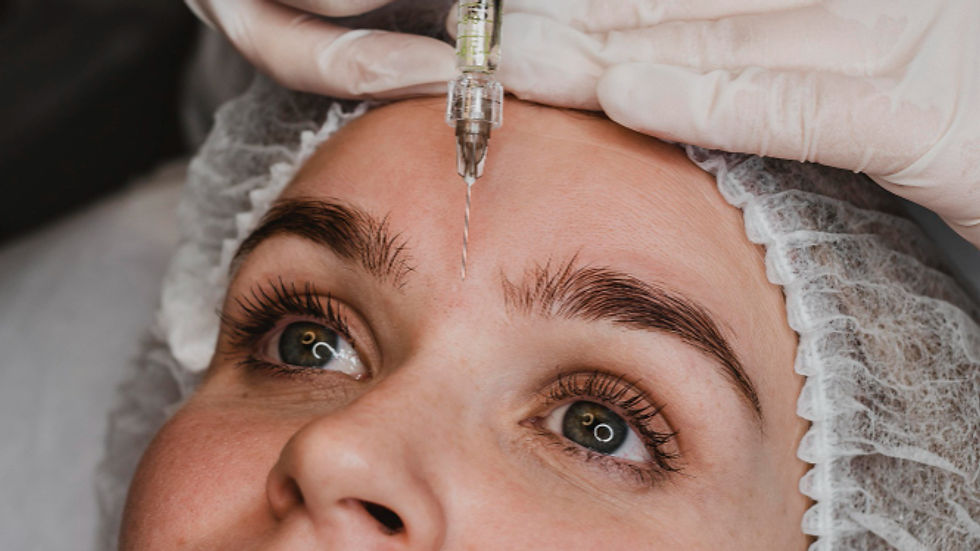
Mesotherapy is a cosmetic treatment that involves injecting a customized blend of vitamins, enzymes, hormones, and plant extracts into the middle layer of the skin (mesoderm).
Is mesotherapie the same as mesotherapy?
Some patients also search for "mesotherapie vs skin booster." Mesotherapie is another spelling used in some countries for mesotherapy; in this guide, both refer to the same broad treatment category.
History and Origin of Mesotherapy
Mesotherapy was developed in 1952 by Dr. Michel Pistor in France. Initially, it was used to treat medical conditions. Over time, it became popular for cosmetic purposes like:
Skin rejuvenation
Hair loss treatment
Fat reduction
Cellulite improvement
Ingredients Used in Mesotherapy
Mesotherapy formulas are customizable. Common ingredients include:
Vitamins (A, C, E, B complex)
Amino acids
Hyaluronic acid (low concentration)
Peptides
Antioxidants
Minerals
Each cocktail is tailored to the patient’s skin needs.
How Mesotherapy Works on the Skin
The microinjections stimulate:
Blood circulation
Collagen production
Cellular repair
Skin hydration
The result? Brighter, firmer, more refreshed skin over time.
What Is a Skin Booster?

A skin booster is an injectable treatment primarily made of hyaluronic acid (HA). Unlike fillers, it doesn’t add volume. Instead, it deeply hydrates and improves skin quality from within.
How Skin Boosters Are Different from Fillers
Unlike dermal fillers that sculpt and lift, skin boosters:
Do not change facial shape
Do not create volume
Focus purely on hydration and elasticity
Key Ingredients in Skin Boosters
The main ingredient is stabilized hyaluronic acid, a molecule naturally found in the body that holds up to 1000 times its weight in water. Some brands may also include:
Amino acids
Antioxidants
Vitamins
Mechanism of Action in Skin Boosters
When injected into the dermis, hyaluronic acid:
Attracts and retains moisture
Stimulates collagen
Improves elasticity
Smooths fine lines
Results typically appear within weeks and improve over time.
Mesotherapy vs Skin Booster: Core Differences

Now let’s get to the heart of the matter: Mesotherapy vs skin booster differences.
Difference in Ingredients
Mesotherapy uses a customized cocktail of multiple ingredients.
Skin boosters primarily use stabilized hyaluronic acid.
Difference in Depth of Injection
Mesotherapy: Superficial to mid-dermis.
Skin booster: Deeper dermal layers.
Difference in Treatment Goals
Mesotherapy: Brightening, anti-aging, acne scars, pigmentation.
Skin booster: Deep hydration, fine lines, elasticity.
Which treatment is better for hydration?
Skin boosters are usually the better choice when the main concern is dehydrated, crepey, or tired-looking skin. Most skin booster treatments are designed to improve hydration inside the skin, helping the face look smoother, fresher, and more elastic over time.
Mesotherapy can also support hydration, but it is usually more customised. The doctor may choose a blend based on your skin concern, such as dullness, mild dryness, or uneven skin quality. If your main goal is deep hydration and skin plumpness, a skin booster may be more suitable. If your skin needs a more personalised glow treatment, mesotherapy may be considered.
The best choice depends on your skin type, treatment area, and whether your dryness is caused by dehydration, ageing, sun damage, or another skin condition.
Which treatment is better for glow and dull skin?
Mesotherapy is often chosen for patients who want a fresh glow and improvement in dull-looking skin. Because the treatment can be customised, it may be used as part of a plan for tired skin, mild unevenness, and general skin quality support.
Skin boosters can also improve glow, especially when dullness is linked to dehydration. By improving hydration and elasticity, the skin may gradually look smoother and more radiant.
If you want a quick surface glow before an event, your doctor may also discuss non-injectable options such as Hydrafacial. If your concern is deeper dehydration or long-term skin quality, skin boosters or mesotherapy may be more appropriate.
Which is better for fine lines and skin texture?
Skin boosters are often the stronger option when fine lines are related to skin dehydration, thin texture, or loss of elasticity. They do not work like Botox and they do not “freeze” movement, but they can help improve the appearance of fine, crepey skin by supporting hydration and skin quality.
Mesotherapy may help with overall texture and brightness, especially when used as a course of treatments. It is usually better for general skin revitalisation than for deeper folds or volume loss.
Neither treatment is a replacement for Botox, dermal fillers, laser, or skin-tightening treatments. If fine lines are caused by repeated muscle movement, Botox may be more suitable. If lines are caused by volume loss, filler may be discussed. If texture is caused by acne scars, pigmentation, or sun damage, another treatment plan may be needed.
Benefits of Mesotherapy
Mesotherapy offers:
Improved skin tone
Reduced pigmentation
Brighter complexion
Better circulation
Customizable treatment
Minimal downtime
It’s especially effective for dull, tired-looking skin.
Benefits of Skin Booster
Skin boosters provide:
Intense hydration
Plumper skin
Reduced fine lines
Improved elasticity
Long-lasting glow
They’re ideal for dry, aging skin that needs moisture from within.
Safety & Results
The mesotherapy skin booster price in Dubai varies depending on the specific product brand used.
Patients often ask about the downtime for skin boosters vs mesotherapy; both are minimally invasive with quick recovery.
To see the best results, we recommend checking our mesotherapy skin booster before and after gallery during your consultation.
Procedure: What to Expect During Treatment
Both treatments are quick and done in a clinic.
Step-by-step process:
Skin assessment
Numbing cream application
Microinjections
Cooling and soothing
The session usually lasts 30–45 minutes.
Side Effects and Safety Considerations
Both treatments are generally safe when performed by trained professionals. Common side effects include:
Mild swelling
Redness
Bruising
Tenderness
These typically resolve within 2–3 days. Avoid treatment if you:
Are pregnant
Have active skin infections
Have autoimmune disorders
Cost factors in Dubai
Prices vary by location and level of the clinic. Average range:
Mesotherapy: AED 200–800 per session
Skin booster: AED 300–1000 per session
Skin boosters tend to cost more because of stabilized hyaluronic acid formulations.
Who Is an Ideal Candidate?
Choose mesotherapy if you:
Have pigmentation
Have dull skin
Want overall skin rejuvenation
Prefer customizable treatments
Choose skin boosters if you:
Have dry skin
Have early fine lines
Want deep hydration
Want longer-lasting results
Who should avoid or postpone treatment?
You should postpone skin booster or mesotherapy treatment if you have an active skin infection, rash, open wound, severe irritation, or inflammation in the treatment area. Injectable treatments should also usually be delayed if you are unwell or have recently had another procedure that has not fully healed.
You should tell the doctor before treatment if you are pregnant, breastfeeding, taking blood-thinning medication, have a history of severe allergies, have an autoimmune condition, are prone to keloid scarring, or have had previous filler or injectable treatments in the same area.
These treatments should only be done after a consultation with a qualified medical professional. The doctor should check your skin, medical history, treatment goals, and any risk factors before deciding whether skin boosters, mesotherapy, or another option is safer for you.
Downtime, side effects, recovery, and aftercare
Aftercare tips:
Avoid makeup for 24 hours
Avoid heavy exercise for 48 hours
Stay hydrated
Use sunscreen daily
Avoid alcohol temporarily
Proper aftercare improves results significantly.
Mesotherapy vs Skin Booster for Specific Skin Concerns
Skin Concern | Best Option |
|---|---|
Dry skin | Skin Booster |
Dull skin | Mesotherapy |
Fine lines | Skin Booster |
Pigmentation | Mesotherapy |
Acne scars | Mesotherapy |
Early aging | Both |
FAQs About Mesotherapy vs Skin Booster
1. Is mesotherapy painful?
Most patients feel mild discomfort. Numbing cream helps reduce pain.
2. How many sessions do you need?
Mesotherapy may require 4–6 sessions. Skin boosters usually need 2–3 sessions initially.
3. Can both treatments be combined?
Yes, many clinics combine them for enhanced results.
4. Which one gives faster results?
Skin boosters often show visible hydration more quickly.
5. Are results permanent?
No. Maintenance sessions are required.
6. Is there downtime?
Minimal downtime. Most people return to work the same day.
How Mahan Polyclinic helps you choose safely
When comparing Mesotherapy vs skin booster, there’s no one-size-fits-all answer. The best choice depends on your skin goals. If you want customized treatment for pigmentation and dullness, mesotherapy is excellent. If deep hydration and long-lasting plumpness are your goals, skin boosters may be better.
The smartest move? Consult a qualified aesthetic practitioner who can assess your skin and guide you properly. At the end of the day, both treatments are safe, effective, and designed to enhance your natural beauty — not change who you are.


My experience at their fertility consultation clinic in London was outstanding. The consultant carefully reviewed my medical history, recommended appropriate diagnostic tests, and explained every result in a clear and reassuring manner. I appreciated the honest advice, personalised treatment plan, and the genuine care shown by the entire medical team. https://www.lunafertility.co.uk